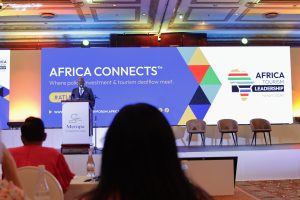
The Tourism Business Council of South Africa (TBCSA) is marking 30 years of representing the country’s tourism private sector, with its 2026 Leadership Conference focusing on the partnerships, investment and industry priorities needed to shape the next chapter of tourism growth.
Held at Sun City from 27 to 28 October under the theme “30 Years in Tourism Still Matters”, the conference brings together tourism leaders and stakeholders to discuss aviation connectivity, investment, domestic tourism, destination competitiveness and the role of local government while reflecting on three decades since the 1996 tourism White Paper while considering how the sector can strengthen job creation, support small businesses and expand economic opportunities for local communities.
South Africa’s Tourism Minister Patricia de Lille, who addressed delegates through a message delivered in her absence, said the industry’s achievements reflected the collective efforts of government and the private sector.
“Thirty years of partnership. Thirty years of resilience. And thirty years of people who have never stopped believing in the extraordinary potential of South African tourism,” she said.
De Lille highlighted the Tourism Growth Partnership Plan, which focuses on removing barriers to growth, improving air and visa access, strengthening destination marketing and developing tourism products. South Africa has set a target of attracting 15 million international arrivals by 2030, but the minister said success must extend beyond visitor numbers.
Aviation connectivity and Africa’s competitiveness are also central to the conference discussions, with industry experts examining passenger demand, airline capacity and investment opportunities. The programme includes a session with Statistics South Africa to consider how official tourism data can inform business decisions and policy development. For African destinations, improving connectivity and developing competitive tourism products remain important to attracting visitors and expanding participation in the global tourism market.
The conference is also examining domestic tourism and the role of local government in shaping visitor experiences. Roads, public spaces, safety, transport and reliable basic services influence both destination appeal and business operations. Discussions are expected to explore how initiatives such as South African Tourism’s Sho’t Left campaign can encourage more residents to travel locally, while stronger municipal service delivery can support tourism development beyond established destinations.
Authentic experiences remain another priority, as South Africa seeks to build on its wildlife, cultural heritage, landscapes and diverse tourism offerings. For the industry, attracting visitors is only the beginning; destinations must also be accessible, safe and equipped to deliver memorable experiences.